Four Seasons Wedding Planning: Your Complete Guide
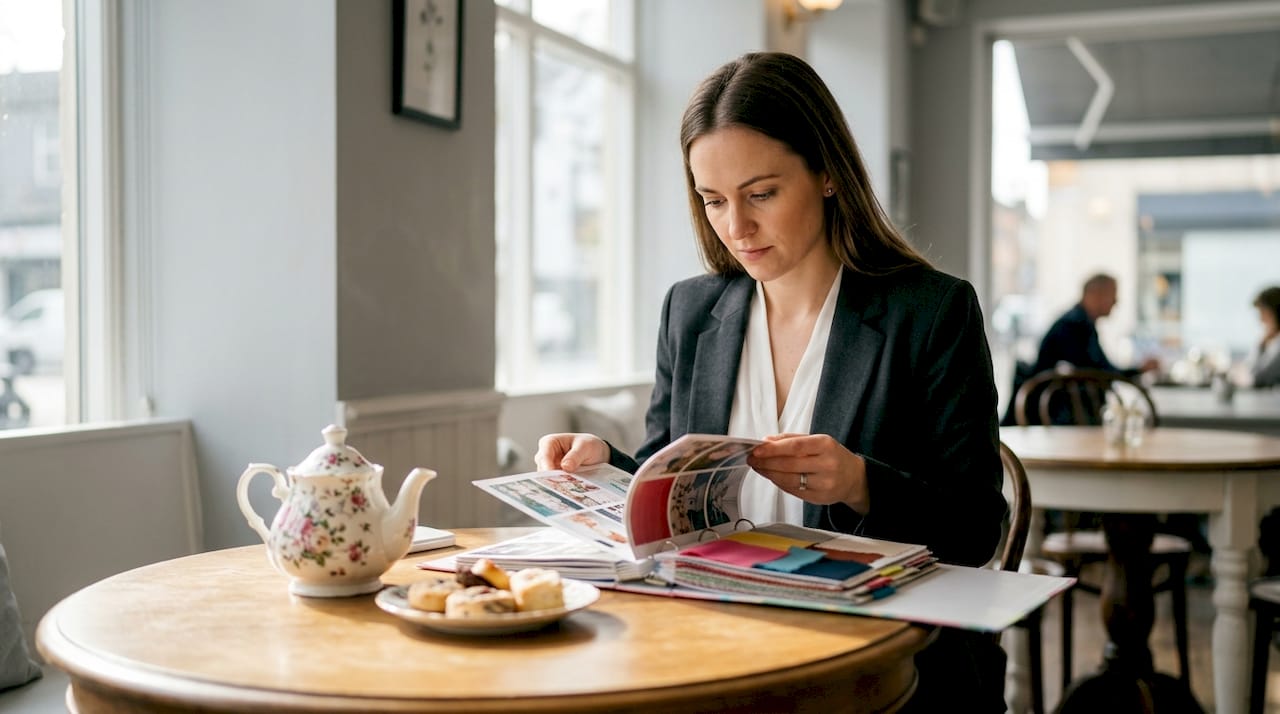
Four seasons wedding planning is the practice of aligning your wedding’s themes, venues, and decor to the distinct mood and aesthetic of spring, summer, autumn, or winter. The season you choose shapes every decision you make, from the flowers on your tables to the fabric of your gown. Couples who match their aesthetic to a season rather than a calendar date achieve stronger visual cohesion and a more memorable guest experience. Platinumpianist, a live piano entertainment service based in Southern California, works with couples across all four seasons to match music to the mood of each celebration. This guide gives you the tools to plan a wedding that feels intentional from the first detail to the last.
What are the defining seasonal wedding themes for each time of year?
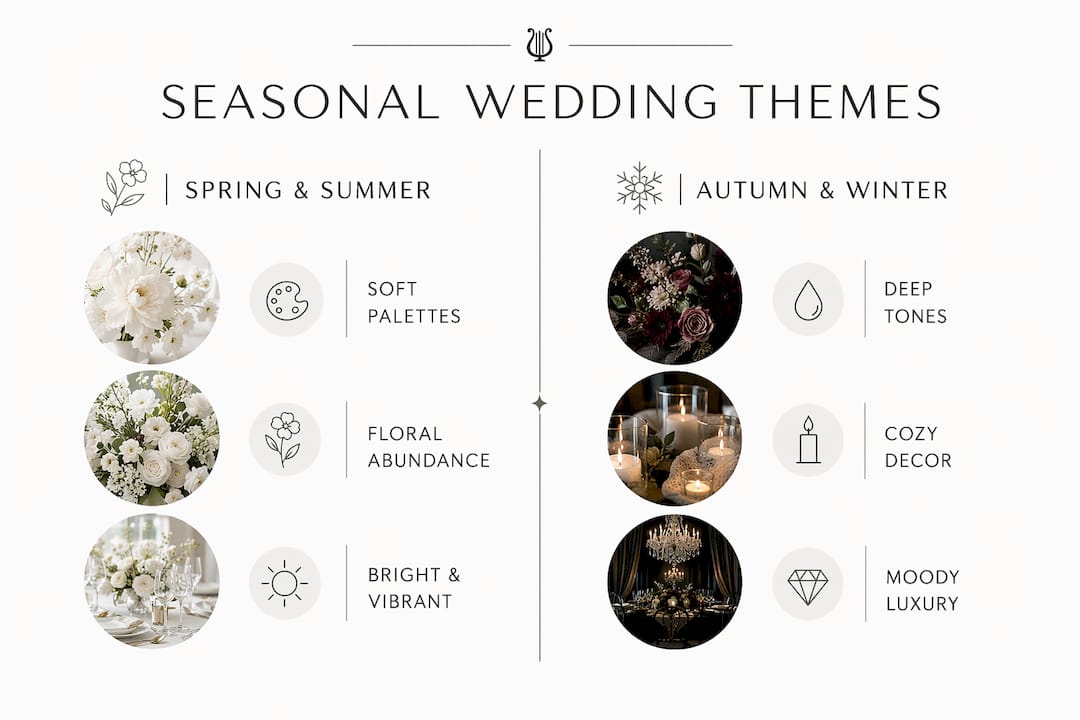
Each season carries a distinct visual identity, and choosing by aesthetic rather than convenience produces a more cohesive wedding. Spring suits couples who want a romantic, garden-party feel. Summer fits those who want energy, color, and open air. Autumn draws couples who love moody luxury. Winter works for those who want intimacy and architectural beauty.
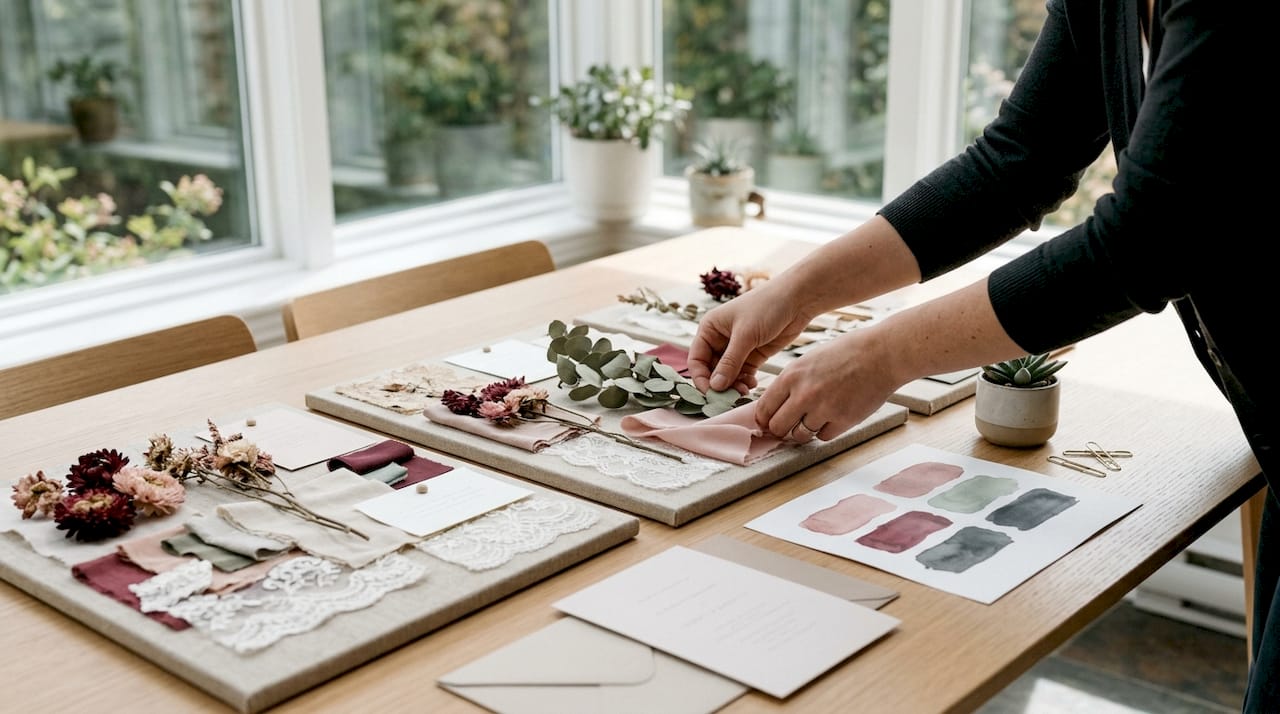
Spring: romantic garden aesthetics
Spring weddings center on soft, romantic palettes. Blush, dusty blue, and ivory dominate, with florals like peonies, ranunculus, and garden roses as the signature blooms. Light, airy fabrics like chiffon and organza reinforce the season’s gentle mood. The overall effect is fresh, feminine, and effortlessly elegant.
Summer: vibrant and expansive
Summer weddings go bold. Fuchsia, yellow, and coral replace the pastels of spring, and wildflowers, sunflowers, and succulents take center stage. The aesthetic is open and celebratory, built for long golden-hour light and outdoor receptions. Couples who love a boho or festival-inspired style find summer the most natural fit.
Autumn: moody luxury
Autumn is the season of deep copper, burnt orange, burgundy, and earth tones. Seasonal florals and decor like pampas grass, dried foliage, and textured branches reinforce the moody, layered atmosphere. Candlelight becomes a design tool, not just a light source. The result is a wedding that feels warm, rich, and cinematic.
Winter: intimate and architectural
Winter weddings lean into jewel tones, berry motifs, and bare branch arrangements. The aesthetic is minimalist but dramatic, built around candlelit spaces and strong architectural lines. This season suits couples who want something that feels more like a private dinner party than a large outdoor event.
Pro Tip: Pick your season based on the mood in your inspiration photos, not the month you prefer. If every image you save has candlelight and deep colors, you are planning an autumn or winter wedding regardless of the date.
How do you choose wedding venues that complement each season?
Venue selection is the single biggest decision in seasonal wedding planning. The right venue amplifies your chosen aesthetic. The wrong one fights it at every turn.
Spring calls for garden venues, botanical gardens, and estate properties with manicured grounds. The venue should have outdoor ceremony space and natural floral surroundings that reduce the need for heavy decor investment. Summer demands open-air spaces with shade options, whether a vineyard, a beachfront property, or a rooftop terrace. Guest comfort in heat is a logistical priority, not an afterthought.
Autumn weddings belong in rustic barns, mountain lodges, forest clearings, and scenic vineyard estates. The natural setting does most of the design work. Natural light and architectural features interact differently with venue spaces across seasons, and autumn’s low golden light is particularly flattering for photography in open natural settings.
Winter weddings perform best in indoor spaces with strong architectural character. Think grand ballrooms, historic mansions, or glass-enclosed conservatories. Luxury venues simplify winter planning by consolidating room blocks, catering, and vendor coordination under one roof. That consolidation reduces stress and keeps the guest experience consistent from arrival to departure.
Spring: Botanical gardens, estate lawns, greenhouse venues
Summer: Vineyard terraces, beachfront properties, rooftop spaces
Autumn: Rustic barns, forest lodges, scenic mountain estates
Winter: Grand ballrooms, historic mansions, glass conservatories
Pro Tip: Visit your venue at the same time of day as your planned ceremony. Light changes dramatically by season, and a venue that photographs beautifully in summer may feel dark and flat in december.
What decor and design elements best enhance each season’s atmosphere?
Decor is where seasonal planning becomes visible to your guests. The goal is not just to decorate for a season but to make the season feel inevitable, as if the wedding could not have happened any other way.
Spring and summer decor
Spring decor relies on soft color gradients, garden-style floral arrangements in low vessels, and light textiles like linen and chiffon for table runners and chair covers. Pastel candles, moss accents, and potted herbs add texture without weight. Summer decor shifts to bolder arrangements, taller centerpieces, and brighter color blocking. Wildflower bouquets in terracotta pots, rattan chargers, and macramé backdrops reinforce the boho-summer identity.
Autumn and winter decor
Layer textures. Autumn decor gains depth from velvet linens, woven baskets, dried pampas grass, and raw wood elements. Flat surfaces kill the mood. Texture builds it.
Use candlelight as architecture. Clusters of pillar candles at varying heights replace floral centerpieces in winter settings. The effect is dramatic and costs less than elaborate florals.
Commit to your palette. Deep copper, burgundy, and forest green work together in autumn. Jewel tones like sapphire, emerald, and plum anchor winter tablescapes. Mixing palettes across seasons dilutes the impact.
Source seasonally. Using florals and colors native to the chosen season accentuates the intended atmosphere. Forcing tropical blooms into a winter wedding creates visual dissonance.
Match decor scale to venue scale. A grand ballroom needs tall, dramatic centerpieces. A rustic barn needs lower, textured arrangements. The venue dictates the decor proportion.
Pro Tip: For autumn and winter weddings, allocate a larger portion of your floral budget to candles, lanterns, and dried botanicals. They photograph beautifully and last the entire event without wilting.
What is the essential timeline for luxury seasonal wedding planning?
Luxury wedding planning at high-end venues typically requires starting the process 5–8 months in advance for peak-season dates. That window is tighter than most couples expect. Missing it means losing your preferred date, your first-choice vendors, and your negotiating position on contracts.
Full-service luxury planning covers budget management, venue sourcing, vendor coordination, design development, and on-site execution. Working with a planner who handles all of these reduces the risk of timeline gaps. The planning process also requires intentional pauses built into the wedding day, such as a 10-minute break for portraits between ceremony and reception, to improve both guest experience and photography quality.
Timeframe | Key tasks |
5–8 months out | Secure date, sign venue contract, confirm budget |
6–8 months out | Finalize guest list, arrange room blocks, book key vendors |
4–5 months out | Complete menu tasting, confirm beverage selections |
2–3 months out | Sign off on decor plan, finalize event flow |
1 month out | Confirm final guest count, review run sheet with all vendors |
Wedding week | On-site coordination, vendor check-ins, timeline walkthroughs |
A few planning principles apply across all four seasons:
Book your florist and photographer at the same time as your venue. They fill up at the same rate.
Confirm weather contingency plans with outdoor venues at least 3 months out.
For destination wedding entertainment, book musicians and performers early. Travel logistics add lead time to every booking.
Build 15-minute buffers between major events in your run sheet. Ceremonies run long. Cocktail hours run short. Buffers absorb both.
Key Takeaways
Seasonal wedding planning works best when every decision, from venue to decor to music, reflects a single, clearly defined aesthetic rather than a mix of seasonal elements.
Point | Details |
Choose season by aesthetic, not date | Match your inspiration images to a season’s mood before picking a calendar date. |
Venue drives every other decision | Select a venue that naturally embodies your season’s character to reduce decor costs. |
Start planning 5–8 months out | Luxury venues and top vendors fill quickly, especially for peak-season dates. |
Source decor materials seasonally | Native florals and textures reinforce the intended atmosphere more effectively than off-season substitutes. |
Build pauses into your timeline | Short breaks for portraits and transitions improve guest experience and photography quality. |
Why seasonal alignment is the most underrated decision in wedding planning
Most couples spend months debating flowers and fonts. The couples I see create truly memorable weddings make one decision early and commit to it completely: they pick a season and let it lead everything else.
The mistake I see most often is treating the season as a backdrop rather than a foundation. A couple books a winter date, then fills the venue with tropical florals because they “love color.” The result is a beautiful wedding that feels slightly off, like a film shot in the wrong location. Guests cannot always name what feels disconnected. They just feel it.
The most cohesive weddings I have witnessed start from a single image or feeling, whether that is the low amber light of an october afternoon or the crisp white quiet of a january evening, and build every detail outward from that anchor. High-end wedding planners emphasize starting from the couple’s values and identity, not just visual trends. That approach produces weddings that feel personal rather than assembled from a mood board.
Live music is one of the most powerful tools for reinforcing seasonal mood, and it is consistently the last thing couples book. A grand piano playing Debussy during a winter cocktail hour creates a completely different atmosphere than a DJ set. The right entertainment reflects who you are as a couple and deepens the seasonal story you are telling. Book your musician with the same intention you bring to your florist.
— Petra
Live piano music that matches your seasonal wedding vision
Platinumpianist brings a grand piano to weddings across Southern California, performing live music tailored to the mood and aesthetic of each season. A spring garden ceremony calls for something light and romantic. A winter ballroom reception calls for something rich and cinematic. Platinumpianist performs both, and everything in between.
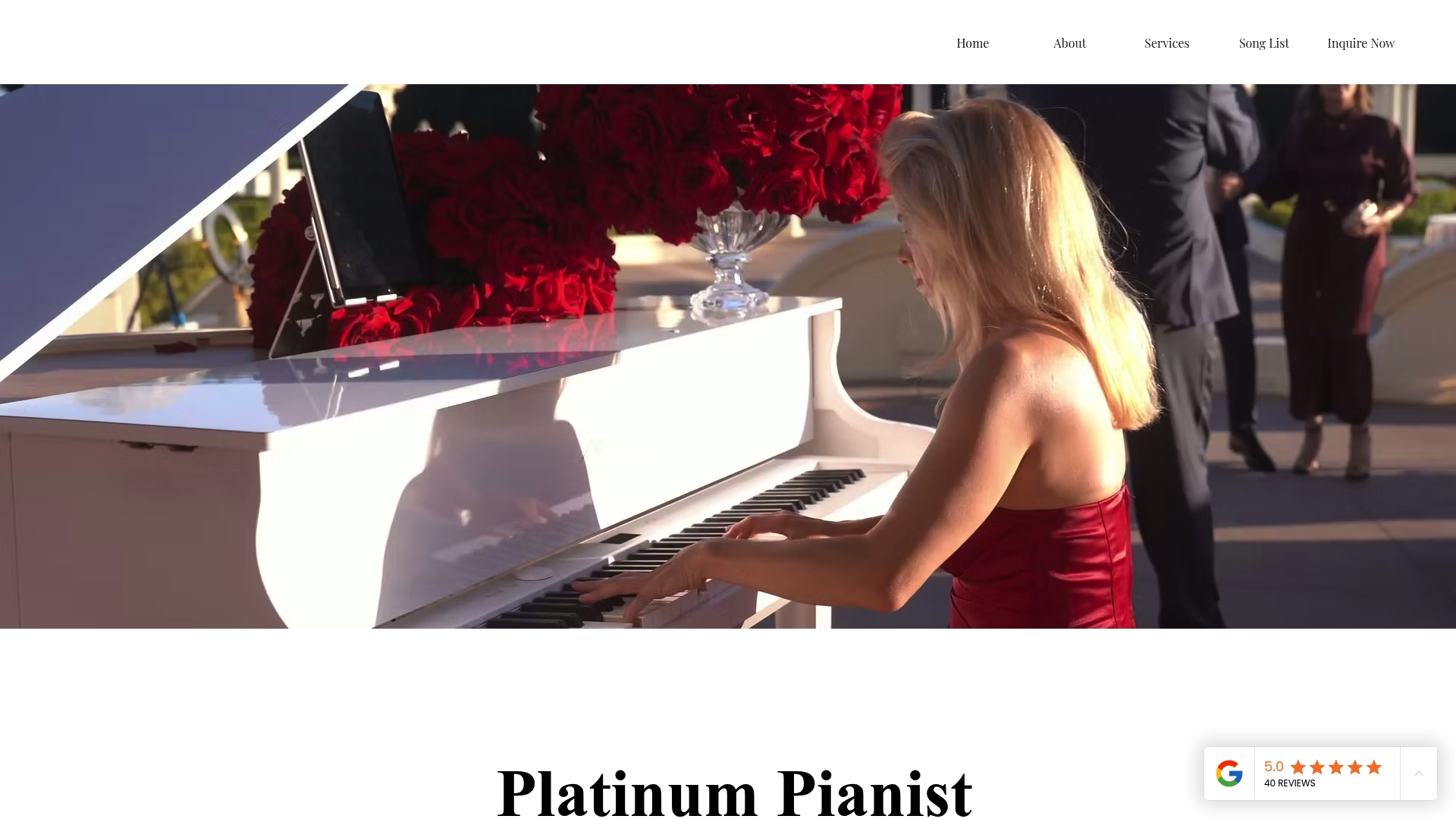
Whether you are planning an intimate winter celebration or an expansive summer outdoor reception, live piano music sets the atmosphere from the moment guests arrive. Platinumpianist works alongside your planner and venue team to fit the musical program into your run sheet without disruption. For couples planning a luxury wedding in the Beverly Hills area, live piano entertainment is available for ceremonies, cocktail hours, and receptions. You can also explore wedding entertainment packages for full-service music coordination across your entire event.
FAQ
What is four seasons wedding planning?
Four seasons wedding planning is the process of aligning your wedding’s themes, venues, and decor to the specific aesthetic and mood of one season. The goal is a cohesive celebration where every detail feels intentional and connected.
Which wedding season is the most popular?
Spring and autumn are consistently the most requested seasons for weddings because of their moderate temperatures and strong visual aesthetics. Peak dates in both seasons book out 6–8 months in advance at luxury venues.
How far in advance should I book a luxury wedding venue?
Luxury venues require booking 5–8 months in advance for peak-season dates. Waiting longer than that significantly limits your venue and vendor options.
Can I mix seasonal aesthetics in my wedding decor?
Mixing seasonal aesthetics dilutes the visual impact and makes the overall design feel unfocused. Committing fully to one season’s palette and materials produces a stronger, more memorable result.
How does live music enhance a seasonal wedding?
Live music reinforces the emotional tone of a season in real time. A pianist performing during a winter cocktail hour creates warmth and intimacy that recorded music cannot replicate. Live piano entertainment is one of the most effective tools for translating a seasonal aesthetic into a felt experience for guests.
Recommended


