Custom Song Request Wedding Pianist: Your Planning Guide

A custom song request wedding pianist specializes in performing music tailored specifically to your wedding day moments, turning a standard ceremony into a deeply personal experience. Unlike a DJ playlist or a band covering chart hits, a live pianist who accepts personalized requests can arrange your first dance song, your grandmother’s favorite melody, or a film score that defined your relationship as a couple. Pianists like Jools Scott and those at Platinumpianist have built their services around this exact capability. This guide walks you through every step: how to initiate contact, build your song list, manage timing, and avoid the mistakes that derail even the best-planned wedding music.
What is a custom song request wedding pianist?
A custom song request wedding pianist is a live performer who learns, arranges, and performs songs chosen specifically by the couple rather than drawing solely from a fixed repertoire. The industry term for this service is bespoke arrangement, and it covers everything from a classical piano rendition of a Coldplay song to a jazz interpretation of a Disney ballad. The distinction matters because not every wedding pianist offers it. Some performers work from a set list of 40 to 60 songs. A pianist who accepts custom requests may offer unlimited song requests and bespoke aisle arrangements, giving you full creative control over your soundtrack.
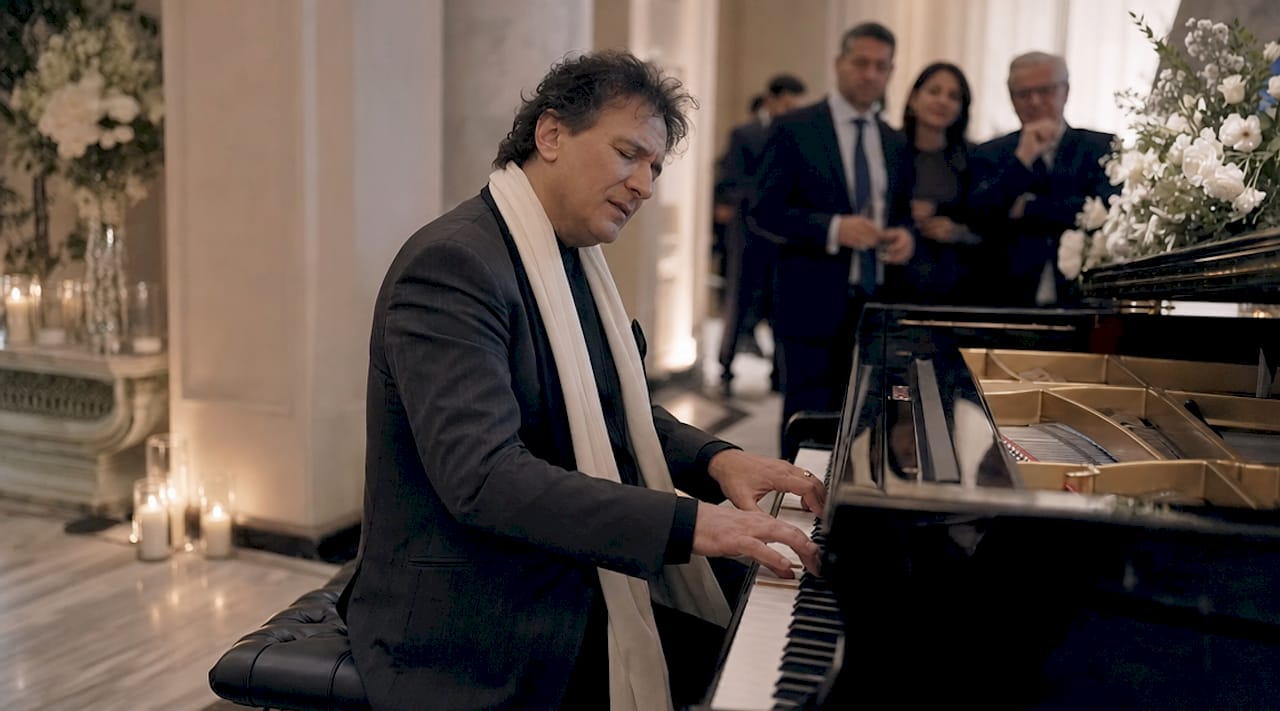
The emotional payoff is real. When guests hear a song that is unmistakably yours, played live on a grand piano, the reaction is different from any pre-recorded track. That recognition moment, the subtle gasp when the first notes of your song fill the room, is what separates personalized wedding music from generic background sound. Platinumpianist, based in Southern California and unique in bringing her own piano to each event, is built around exactly this kind of intentional, couple-centered performance.
How to initiate your custom song request with a wedding pianist
Start the conversation earlier than you think you need to. Couples often assume they need a finalized timeline and complete song list before reaching out, but a rough plan with basic details is all you need to begin. The earlier you make contact, the more time your pianist has to prepare polished arrangements of songs that may not already be in their repertoire.
Here is the information to have ready for your first inquiry:
Wedding date and venue: Availability fills fast, especially for Saturdays between May and October in Southern California.
Time windows for live music: Specify whether you want piano for the ceremony, cocktail hour, reception, or all three.
Your custom song requests: Even a rough list of two or three songs signals your vision and helps the pianist assess preparation time.
Venue piano situation: Confirm whether the venue has a piano on site or whether the pianist needs to bring their own instrument.
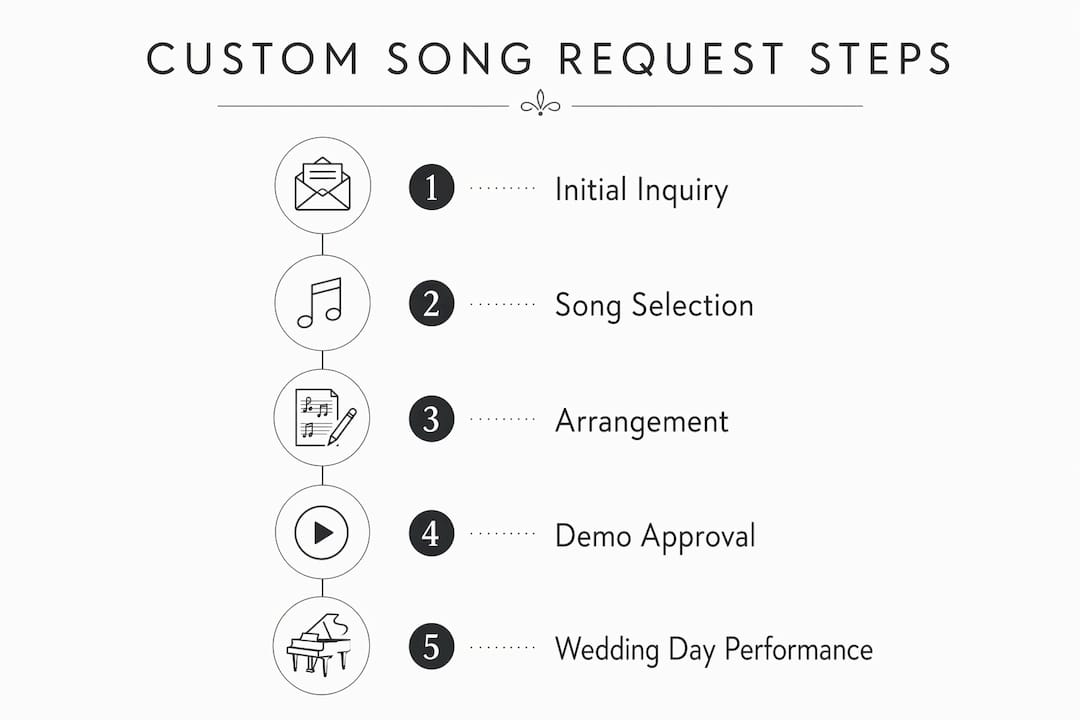
The typical booking process runs from initial inquiry through a conversation about your vision and song choices, with final arrangements confirmed well before the wedding day. Think of the first call as a creative conversation, not a contract negotiation.
Pro Tip: Ask your pianist during the first inquiry whether custom arrangements are included in their base package or priced separately. Some pianists include new song learning as part of their service; others charge per arrangement.
Clarifying which parts of the day need live piano also shapes the quote you receive. A ceremony-only booking has different logistics than a full-day engagement covering ceremony, cocktail hour, and reception. The more specific you are upfront, the smoother every step that follows will be. You can also review a ceremony to reception flow guide to map out exactly where live music fits your day before you make that first call.
How to build your personalized wedding pianist song list
The 5-5-3 method is the most practical framework for organizing your wedding pianist song requests without overwhelming your performer or yourself. It works like this:
5 must-play songs: These are non-negotiable. Your processional, your first dance, and any song with deep personal meaning belong here.
5 do-not-play songs: List the songs you actively dislike or that feel wrong for your day. This prevents awkward moments and saves your pianist from guessing.
3 vibe words: Choose three adjectives that describe the atmosphere you want. Examples include romantic, modern, classical, playful, cinematic, or intimate.
This structure gives your pianist creative freedom within clear boundaries. A pianist working from a 40-song list with no priorities has to guess what matters most. A pianist working from the 5-5-3 framework knows exactly where to focus their preparation time and how to fill the gaps between your must-plays with music that fits the mood.
Here is how the 5-5-3 method compares to other common approaches:
Approach | What you provide | Risk level |
Full song list (20+ songs) | Every song you like | High. Pianist may not know which songs matter most. |
No list at all | Nothing | Very high. Pianist guesses your entire vibe. |
5-5-3 method | Priorities, boundaries, mood | Low. Clear creative direction with room for artistry. |
Some pianists maintain repertoires of 178 songs or more across a dozen categories, with new songs learned and arranged as part of their standard service. That depth means your custom request is rarely starting from zero. Your pianist likely already knows the chord structure of your song and needs only to refine the arrangement to match your specific vision.
Pro Tip: When you list your vibe words, pair each one with a reference song. Instead of just writing “romantic,” write “romantic, like the piano intro to ‘All of Me’ by John Legend.” Concrete references remove ambiguity and speed up the arrangement process.
For a deeper look at building your full song list from scratch, the guide on building your wedding song list at Platinumpianist walks through the process step by step.
How much lead time does your wedding pianist need?
Timing is where many couples underestimate the work involved in a custom song request. Arranging a new song for solo piano is not a quick task. It involves transcribing the melody, building a harmonic structure that works without a full band, adjusting the tempo for walking pace if it is a processional, and rehearsing until the performance is polished. Custom arrangements often require more than two weeks to prepare at a professional standard.
Scenario | Recommended lead time |
Standard repertoire songs | 4 to 8 weeks before wedding |
Custom song arrangements | 8 to 12 weeks before wedding |
Full-day custom song program | 3 to 6 months before wedding |
Last-minute requests (day-of) | Not recommended for new arrangements |
Beyond the arrangement itself, many pianists now send demo recordings for couple approval before the wedding day. This trend has grown because it removes uncertainty. You hear exactly how your song will sound in the room before you walk down the aisle. If the tempo feels too slow or the arrangement too sparse, you can request adjustments while there is still time.
For couples who need precise timing control, particularly for ceremony entrances with complex music, custom prerecorded piano tracks are a legitimate alternative. These can be delivered as WAV or MP3 files with tempo matching and intro adjustments completed within about a week. The tradeoff is that you lose the spontaneity and visual impact of a live performance. For most couples, live is the clear preference. But if your chosen song has an unusual time signature or requires a very specific pace for your processional, a prerecorded custom track gives you a level of control that even the best live pianist cannot guarantee in the moment.
Ceremony music in particular requires coordinating specific songs for the processional, the bride’s entrance, and the recessional with precise timing and cues. Share your rough timeline and processional song information as early as possible so your pianist can rehearse with those exact cues in mind.
Common mistakes when requesting custom wedding songs
Most problems with wedding pianist song requests come down to timing and communication, not musical ability. Here are the mistakes that consistently create friction:
Waiting until the week before to mention custom requests. A polished arrangement takes weeks. A last-minute request often results in a simpler, less personalized performance than you envisioned.
Providing an unfocused song list. A list of 30 songs with no priorities forces your pianist to guess. Use the 5-5-3 method to give clear direction.
Not specifying the exact song version. “Can You Feel the Love Tonight” exists in at least four distinct versions across the Lion King catalog. Specify the artist, the year, and whether you want the original or a specific cover.
Skipping the arrangement style conversation. A melody-forward arrangement sounds very different from a soft, ambient interpretation of the same song. Tell your pianist whether you want the music to be heard or felt.
Ignoring venue logistics. If your venue does not have a piano and your pianist does not bring their own instrument, you have a serious problem. Platinumpianist solves this by bringing her own piano to every Southern California event, but always confirm this detail in writing.
“The couples who have the best experience are always the ones who treat the music conversation like they treat the catering conversation. They come prepared, they know what they want, and they stay in touch.”
Failing to coordinate processional timing with your pianist is the mistake that shows most visibly on the day. If your pianist does not know when to start, when to hold, and when to transition, even a perfectly arranged song can feel off. Share your ceremony timeline, including the number of people in the wedding party and the approximate walking pace, well in advance.
Key takeaways
A custom song request wedding pianist delivers a personalized music experience by learning, arranging, and performing songs chosen specifically by the couple, and the process works best when couples initiate contact early, use the 5-5-3 method to organize their priorities, and allow at least eight to twelve weeks for custom arrangements.
Point | Details |
Start contact early | Reach out with your date, venue, and rough song ideas before your list is finalized. |
Use the 5-5-3 method | Five must-plays, five do-not-plays, and three vibe words give your pianist clear creative direction. |
Allow 8 to 12 weeks | Custom arrangements require significant preparation time for a polished performance. |
Request demo recordings | Hearing your arrangement before the wedding day removes uncertainty and allows adjustments. |
Confirm venue logistics | Always verify whether the pianist brings their own instrument or requires a venue piano. |
Why the music conversation is the one couples skip too fast
I have played hundreds of weddings across Southern California, and the pattern is consistent. Couples spend months on flowers, catering, and photography. They spend about twenty minutes on music. That imbalance shows up on the day in ways that are hard to fix in the moment.
The couples who get the most out of a custom song request are the ones who treat the music consultation like a creative collaboration rather than a checklist item. When a couple tells me they want their first dance to sound like a late-night jazz club version of a Bruno Mars song, that is something I can work with. When they hand me a Spotify playlist and say “something like this,” I am guessing at what matters to them.
What surprises most couples is how much creative range a single instrument has. A piano can carry a full orchestral arrangement, a stripped-down lullaby, or a driving pop rhythm. The song you think “won’t work on piano” almost always does, sometimes better than the original. I have arranged everything from Hans Zimmer film scores to Taylor Swift to traditional Filipino folk songs for ceremony processionals. The request is rarely the problem. The timeline is.
My honest advice: book your pianist before you book your florist. Lock in the date, have the music conversation early, and let the arrangement process breathe. The difference between a rushed custom arrangement and a fully rehearsed one is audible to every person in that room.
Bring your wedding soundtrack to life with Platinumpianist
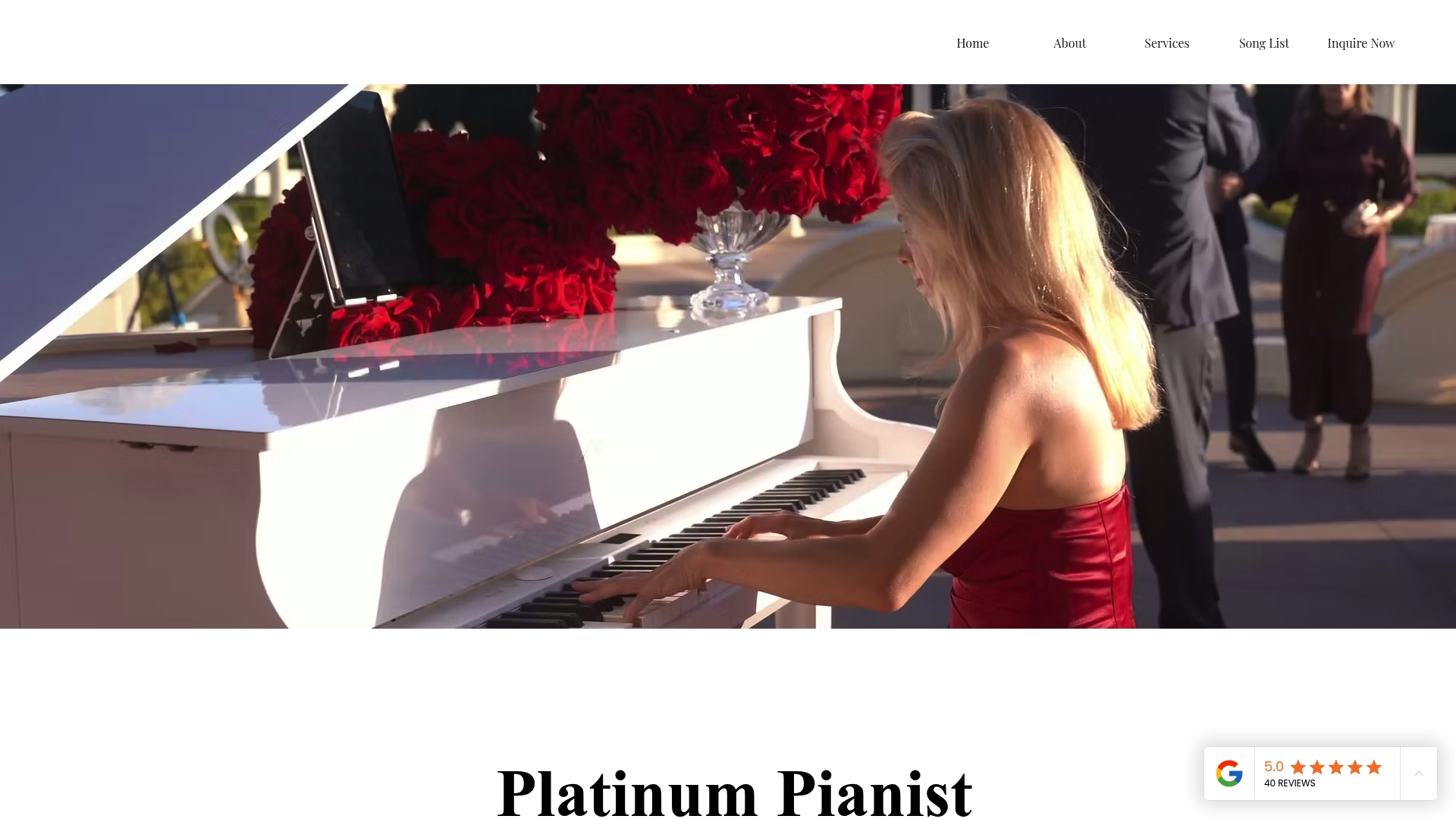
Platinumpianist offers live piano entertainment for weddings across Southern California, with one significant advantage over most pianists: she brings her own concert-quality piano to your venue. Whether you need music for your ceremony, cocktail hour, or reception, every booking includes a personalized consultation to discuss your custom song requests and build a program that fits your day. Bespoke arrangements are part of the service, not an add-on. Explore the full range of wedding music services at Platinumpianist to check availability and start the conversation about your personalized wedding soundtrack. For couples planning luxury events in the Beverly Hills area, the Beverly Hills pianist page covers specialized options for high-end venues.
FAQ
What is a custom song request for a wedding pianist?
A custom song request is when a couple asks their wedding pianist to learn, arrange, and perform a specific song not already in the pianist’s standard repertoire. The pianist creates a solo piano arrangement tailored to the couple’s preferred style and the moment it will be performed.
How early should I submit my custom song requests?
Submit your custom song requests at least eight to twelve weeks before your wedding date. Custom arrangements require several weeks of preparation to reach a polished, performance-ready standard.
Can a pianist learn any song I request?
Most experienced wedding pianists can arrange virtually any song for solo piano, from pop and film scores to classical and folk music. Repertoires of 178 songs or more are common, and skilled pianists regularly add new arrangements as part of their standard service.
What is the 5-5-3 method for wedding music?
The 5-5-3 method means providing your pianist with five must-play songs, five songs you do not want played, and three words describing the vibe you want. This framework gives your pianist clear priorities without an overwhelming or unfocused list.
Should I choose live performance or a prerecorded custom piano track?
Live performance is the preferred choice for most weddings because of its visual impact and emotional presence. Prerecorded custom piano tracks are a practical alternative when precise timing control is needed for a ceremony entrance with complex music or an unusual tempo requirement.
Recommended


