Company Party Ideas That Actually Boost Morale in 2026
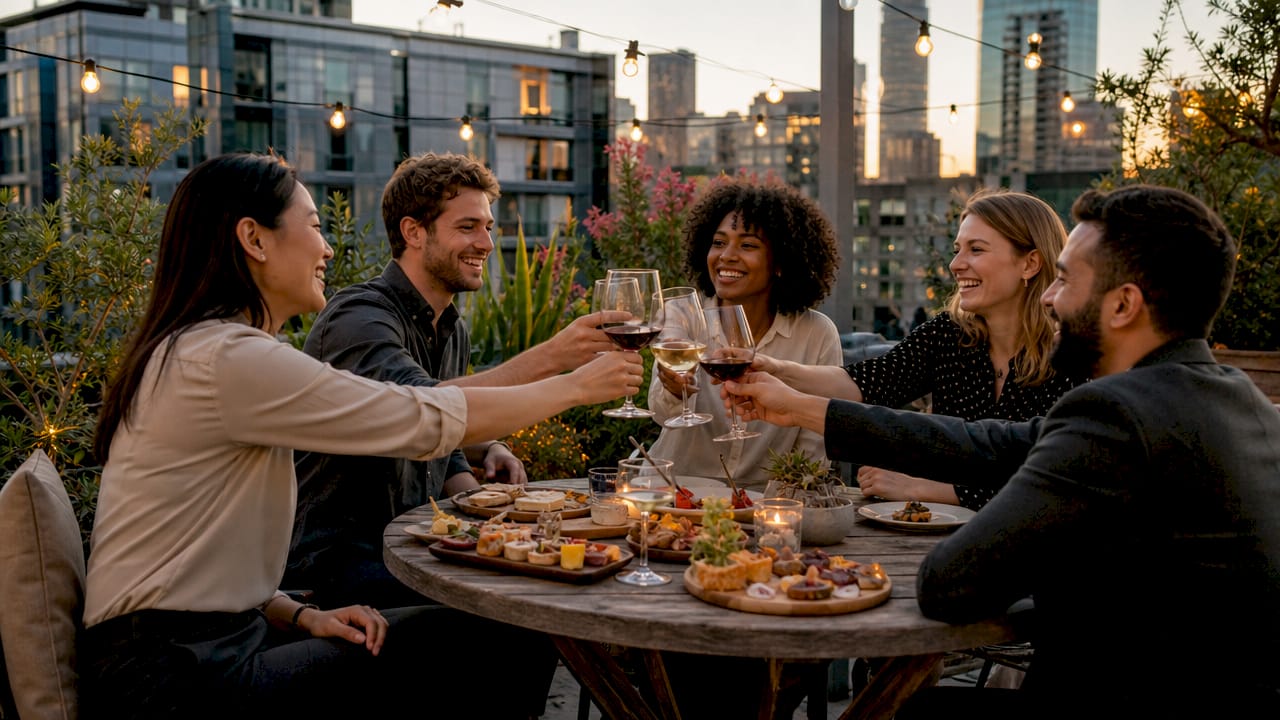
Company party ideas are creative, purpose-driven events designed to strengthen team culture and boost employee engagement through shared experiences. The best corporate gatherings go far beyond free food and a playlist. Strategic event investment yields 3x to 5x higher engagement and ROI than generic, budget-line-item events. That gap is the difference between a party people remember and one they skip. This guide gives HR professionals and corporate teams the specific formats, themes, and activities that deliver real results in 2026.
1. What makes company party ideas successful in 2026?
The most effective corporate events are built around a clear purpose, not just a date on the calendar. Employee engagement peaks when events function as brand moments aligned with company culture rather than operational obligations. That shift in framing changes everything from venue choice to activity design.
The top corporate event trends shaping 2026 include:
Immersive design: Guests participate in the environment rather than observe it. Think interactive cocktail walls, live art installations, and sensory stations.
AI-themed experiences: Innovation showcases, AI trivia, and “future of work” panel games connect entertainment to company strategy.
Sustainability focus: Zero-waste catering, locally sourced menus, and charitable giving stations signal values alignment.
Hybrid and metaverse integrations: Tech-enabled corporate events now include virtual reality lounges and live-streamed segments for remote employees.
Scalability matters just as much as concept. Effective team-building activities work for groups of 5–60 participants and run 15–45 minutes, fitting inside a standard workday without disrupting productivity.
Pro Tip: Design your event around one measurable outcome, such as cross-department introductions or a product feedback session, and build every activity toward that goal.
2. Classic corporate event themes, evolved for modern teams
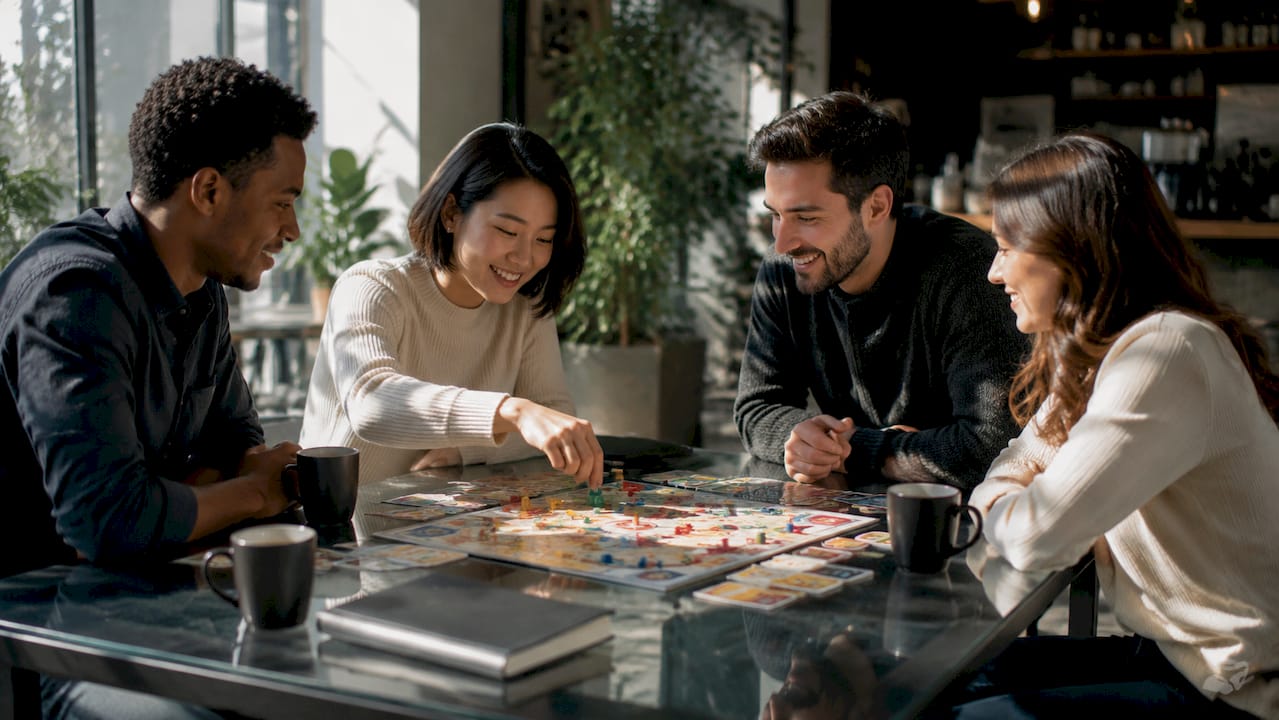
Classic themes still work. They just need a modern upgrade to earn genuine enthusiasm rather than polite attendance. Classic themes like Casino Night and Hollywood Glam must evolve with experiential activations, social-media-friendly moments, and culturally relevant design to succeed in 2026.
Classic Theme | 2026 Evolution | Key Benefit |
Casino Night | Add a “Shark Tank” pitch game with play money stakes | Encourages cross-team collaboration |
Hollywood Glam | Content creator awards with real video booths | Generates shareable internal content |
Decades Party | Decade-specific trivia tied to company milestones | Reinforces company history and pride |
Masquerade Ball | Interactive mystery dinner with role assignments | Builds communication and problem-solving |
Outdoor Festival | Sustainability stations and local vendor markets | Aligns with company values and community |
The key upgrade across all of these is interactivity. Passive themes, where guests simply dress up and eat, produce low engagement. Themes that assign roles, create competition, or generate content give people a reason to participate fully.
Cultural relevance is the second upgrade most planners miss. A theme that resonates with your team’s actual demographics and interests will outperform a generic concept every time. Survey your team before committing to a format.
Pro Tip: Build one “content creator station” into any theme. A branded photo backdrop or short video prompt gives employees something to share internally, extending the event’s energy well past the party itself.
3. Team building activities that double as entertainment
The best team-building activities are not filler. Shared experiences in purposeful games build trust and collaboration by giving teams controlled practice reps that improve workplace communication and decision-making. That framing separates a well-designed activity from a forgettable icebreaker.
Here are formats that consistently deliver both fun and results:
In-person favorites:
Escape rooms: Groups of 4–8 solve puzzles under time pressure. The debrief afterward reveals how the team communicates under stress.
Improv storytelling: A facilitator prompts teams to build a narrative together. It builds listening skills and reduces fear of public speaking.
Speed networking: Structured two-minute conversations between employees who rarely interact. Works especially well at larger gatherings of 50 or more.
Trivia tournaments: Custom trivia using company history, industry knowledge, or pop culture creates natural competition and laughter.
Hybrid and virtual-friendly options:
Kahoot: Real-time quiz platform that works for in-room and remote participants simultaneously.
Jackbox Games: Browser-based party games that require only a phone, making them accessible to any team regardless of location.
Virtual escape rooms: Platforms like Teambuilding.com host facilitated online escape experiences for fully remote groups.
Matching activities to business objectives and team dynamics produces measurable improvements in communication and collaboration. The activity format matters less than the intentionality behind it.
4. Outdoor company events and unique venue ideas
Outdoor events consistently outperform indoor gatherings in post-event satisfaction surveys. Fresh air, physical movement, and a break from the office environment all contribute to higher energy and better participation. The format also opens up activity options that simply do not work indoors.
Strong outdoor formats for corporate teams include field day competitions, scavenger hunts across a city neighborhood, cooking classes in a park setting, and axe throwing at a dedicated venue. For teams in Southern California, venues like The Cut Axe Throwing offer private event bookings that combine novelty with genuine skill-building, making them a strong choice for groups looking to break from the standard happy hour format.
Outdoor events also pair naturally with sustainability goals. Local food trucks, reusable dishware, and charitable cleanup activities can be woven into the program without feeling forced. Teams leave with a sense of contribution alongside the fun.
The one planning risk with outdoor events is weather contingency. Always secure a backup indoor space or tent option, especially for events scheduled in spring or fall.
5. Holiday party ideas that go beyond the standard dinner
The annual holiday party carries the highest expectations and the most planning pressure of any office event. Most teams default to a dinner and a DJ. The teams that stand out choose a format that creates a specific memory rather than a generic celebration.
The most effective holiday party ideas in 2026 center on experience over consumption. Instead of a seated dinner, consider a progressive tasting event where teams move between stations featuring food, cocktails, and entertainment. Instead of a DJ, consider live music, which creates atmosphere without requiring a dance floor.
Charitable giving stations work especially well at holiday events. Teams vote on a cause, and a portion of the event budget goes to that organization. The activity creates a shared decision and a shared outcome, which is more memorable than a gift exchange.
Themed photo experiences, custom cocktail menus named after company projects, and a “year in review” video reel are low-cost additions that make a holiday gathering feel intentional rather than obligatory.
6. How to customize fun company gatherings by team size and culture
Team size is the single most important variable in office party planning. Small teams of fewer than 15 benefit from flexible, unstructured social time where relationships can develop naturally. Large teams of more than 50 require facilitation to prevent cliques from forming and energy from fragmenting.
For small teams, the best formats are:
Intimate dinners at a chef’s table or cooking class
Collaborative creative projects like a mural or playlist curation
Low-stakes competitions like a bake-off or trivia night at a local bar
For large teams, structure is the priority:
Assign cross-department tables or activity groups in advance
Use a facilitator or emcee to keep energy consistent across the room
Build in multiple activity rotations so no single group dominates the experience
Aligning the event with company values is equally important. A company that prioritizes wellness should not host a party centered on alcohol. A company that talks about innovation should not run the same event format it used five years ago.
Forced participation consistently backfires, lowering morale rather than raising it. Optional attendance with natural timing, such as scheduling events at the end of a workday rather than on a weekend, increases genuine participation. Employees who choose to attend bring better energy than those who feel obligated.
Branded apparel and swag extend the event’s impact beyond the day itself. Physical keepsakes serve as lasting symbols of team identity and reinforce the memory of the experience long after the event ends.
Key takeaways
The most effective company party ideas combine clear purpose, appropriate structure for team size, and experiential design that connects to company culture rather than checking a calendar box.
Point | Details |
Purpose drives ROI | Strategic, goal-oriented events yield 3x to 5x higher engagement than generic gatherings. |
Scale your structure | Small teams need flexibility; large teams need facilitation to maintain energy and inclusion. |
Evolve classic themes | Add interactivity and social-media-friendly activations to make familiar formats feel fresh. |
Make participation optional | Events timed naturally into the workday with voluntary attendance produce better morale outcomes. |
Extend impact with keepsakes | Branded swag and physical artifacts keep team identity alive well after the event ends. |
What I have learned from watching corporate events succeed and fail
The most common mistake I see in corporate event planning is confusing activity volume with engagement quality. HR teams pack a schedule with back-to-back games, speakers, and raffles, and the result is exhaustion rather than connection. One well-designed experience, with a clear beginning, middle, and debrief, does more for team cohesion than six rushed activities.
The second mistake is treating the party as a reward rather than a tool. When events are framed as “you earned this,” they carry an implicit pressure to perform gratitude. When they are framed as a genuine investment in the team, people show up differently. Linking activities to real business outcomes and following up with a structured debrief is what separates a party from a program.
Live entertainment is the most underused lever in corporate event design. Most planners default to a playlist because it is easy. But a live performer, whether a musician, comedian, or interactive artist, creates a shared focal point that a speaker system cannot replicate. It gives people something to react to together, which is the foundation of any real connection.
The events I have seen generate the most lasting impact are the ones where employees leave with a specific memory, not just a general sense that it was “fun.” Design for the story people will tell on monday morning. That is your real success metric.
— Petra
Live music that makes your corporate event memorable
A well-planned corporate event deserves entertainment that matches its ambition. Live piano music creates an atmosphere that recorded playlists simply cannot replicate. It gives guests a shared focal point, fills a room with warmth, and works across every corporate event theme from holiday galas to outdoor summer parties.
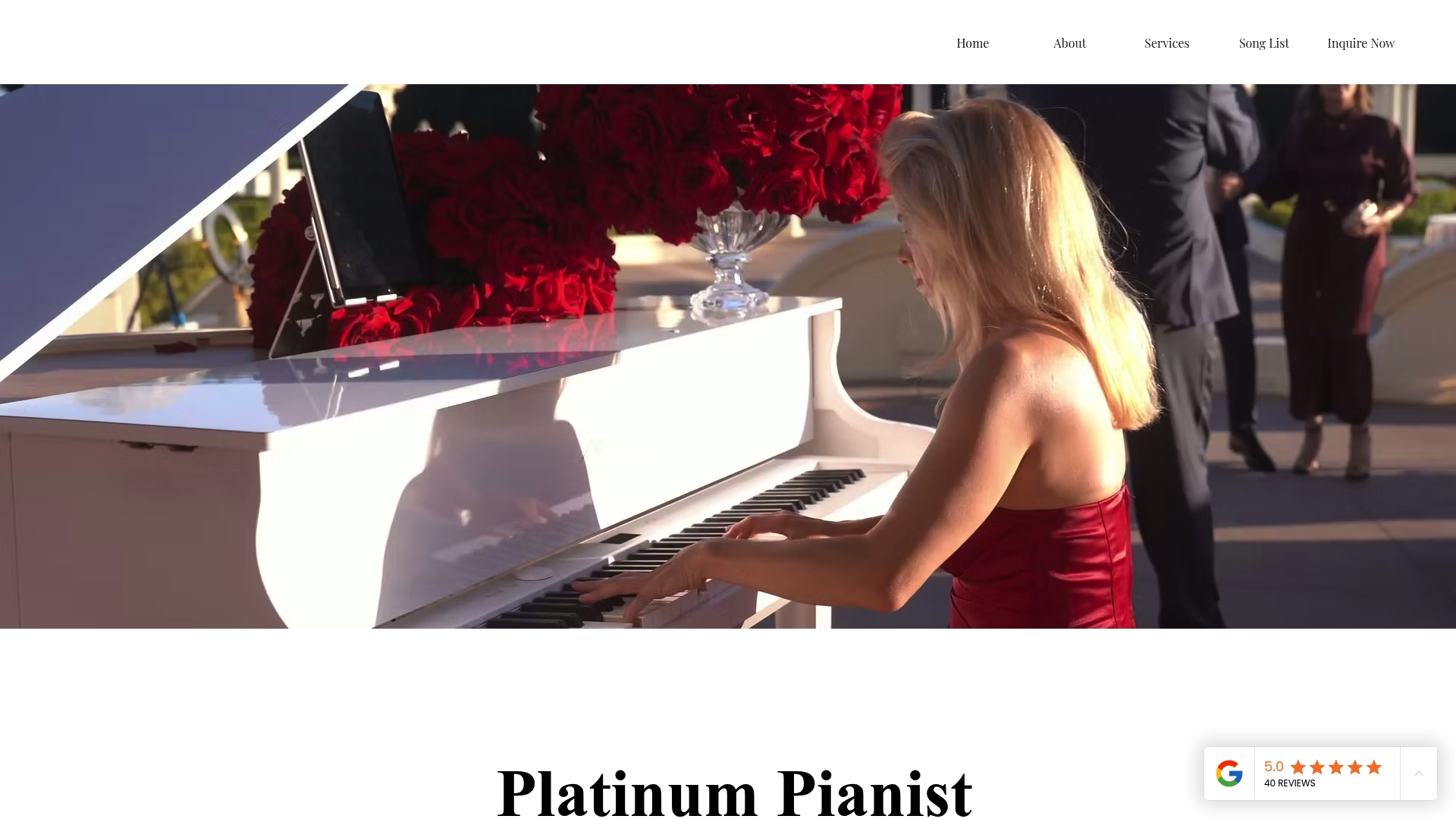
Platinumpianist brings a grand piano directly to your event in Southern California, handling setup and performance so your team can focus on the experience. Whether you are planning an intimate team dinner or a large-scale company celebration, live corporate event music from Platinumpianist adds a layer of sophistication that guests notice immediately. For luxury gatherings, brand launches, and executive events, explore Platinumpianist’s luxury event music services to find the right fit for your program.
FAQ
What are the best company party ideas for large teams?
Large teams of more than 50 benefit most from structured formats with facilitation, such as trivia tournaments, speed networking, or activity rotations that mix departments. Assigning cross-team groups in advance prevents cliques and keeps energy consistent across the event.
How long should a corporate team-building activity last?
Effective team-building activities run 15–45 minutes, which fits inside a standard workday without disrupting productivity. Shorter formats work best when embedded into a larger event program.
What corporate event themes work best in 2026?
The top themes for 2026 combine classic formats with experiential upgrades, such as a Casino Night with a pitch game component or a Hollywood Glam event with a content creator station. Immersive design, sustainability elements, and hybrid-friendly formats are the defining trends this year.
Should company parties be mandatory for employees?
Forced participation in company events lowers morale rather than raising it. Optional attendance with natural timing, such as scheduling events at the end of a workday, produces higher genuine participation and better energy from those who attend.
How can live music improve a corporate event?
Live music creates a shared focal point that recorded audio cannot replicate, giving guests something to experience together and setting a consistent atmosphere across the event. It works across themes and team sizes, from small executive dinners to large holiday celebrations.
Recommended


